How Cryptocurrency is Revolutionizing the Craft Beer Industry: A Brewer’s Guide to Bitcoin Payments in 2026
I’ve spent years in this industry—chemical engineering degree gathering dust while I obsess over mash chemistry and hop profiles. But here’s the thing: in 2026, the real innovation isn’t just happening in my fermentation tanks. It’s happening right at the register.
I’ve watched craft beer evolve from basement hobby to legitimate industry, and I can tell you cryptocurrency isn’t some distant tech fantasy anymore. It’s here. It’s real. And it’s changing how breweries like mine actually operate day-to-day.
The Intersection of Craft Beer and Cryptocurrency in 2026
Walk into a decent taproom these days and look past the chalkboard listing IPAs and Stouts. You’ll see something else—payment options that would’ve seemed absurd five years ago. Bitcoin logos next to the Visa stickers.
And honestly? It makes perfect sense.
Craft beer has always been about bucking the system—supporting small producers, questioning the macro-brew status quo, building community around something real. So yeah, embracing decentralized currency fits our ethos better than you’d think.
In 2026, I’m watching breweries across the country adopt crypto at a pace that surprised even me. This isn’t gimmick marketing to move a few extra pints. It’s strategic. The demographic overlap is undeniable—people who appreciate small-batch brewing tend to value financial sovereignty. They get why Bitcoin matters. By accepting it, we’re not just processing payments; we’re signaling that we understand what our customers actually care about.
Why Craft Breweries Are Embracing Bitcoin Payments
Whenever I sit down with other brewery owners, we always end up talking margins. Because in an industry where barley prices swing wildly and distribution eats half your profit, every fraction of a percentage point matters.
That’s where crypto becomes more than ideology—it becomes survival math.
Lower transaction fees. Faster settlement. No chargeback fraud eating into our already thin margins. And for those of us shipping special releases or merchandise? International sales suddenly don’t require navigating a maze of currency conversion fees and bank delays.
Lower Processing Fees Mean Higher Profit Margins
Let me break down the numbers, because this is where it gets real.
Traditional credit card processors take 2% to 3.5% per transaction. If you’re running a busy taproom doing $50,000 monthly—which is decent but not huge—you’re losing $1,500 to $1,750 just in processing fees. That’s a new fermenter. That’s a bulk hop order. That’s holiday bonuses for your staff.
Crypto transactions? Especially using Lightning Network or solid payment processors? Under 1%. Sometimes basically free for peer-to-peer transfers.
I’ve talked to owners in Oregon and Colorado who went crypto-first in their taprooms. They’re saving thousands annually. Real money that goes back into quality ingredients instead of disappearing into Visa’s pocket.
Attracting the Crypto-Native Consumer Base
Here’s what I’ve noticed: the Venn diagram of craft beer fans and crypto holders is almost a circle. Millennials and Gen Z are driving both movements. These aren’t people looking for places that tolerate their payment preferences—they’re hunting for businesses that actually get it.
Look at how digital entertainment platforms adapted. Sites similar to casino btc figured out seamless, instant transactions that users actually trust. By adopting comparable tech, breweries send a clear message: we’re not stuck in 2015. We’re moving forward.
When someone walks into my taproom and sees ‘Bitcoin Accepted Here,’ it’s not just a payment option. It’s recognition. It’s an instant connection. And yeah, it’s a reason to choose us over the place down the street still fumbling with chip readers.
Setting Up Bitcoin Payments in Your Taproom: A Technical Brewer’s Approach
I approach brewing like an engineer—systems need to be efficient, repeatable, safe. Same logic applies to setting up crypto payments. It sounds intimidating, but it’s honestly simpler than dialing in a new HERMS system.
You need a bridge between your POS and the blockchain. That’s it, really.
Usually means picking a third-party processor to handle the technical stuff. For in-person sales, you’re generating QR codes at checkout. For online beer club memberships or merch, you’re using a hosted payment page. And critically—your staff needs training. Your bartenders should explain a Bitcoin transaction as easily as they explain the difference between a Pilsner and a Lager.
Choosing the Right Payment Processor for Your Brewery
In 2026, we’ve got solid options. BitPay and Coinbase Commerce are popular for good reason—easy setup, instant conversion to USD if you want volatility protection. But if you’re willing to hold some crypto (and I’ll get to that), BTCPay Server gives you full control with a non-custodial setup.
When you’re evaluating platforms, look at fee structures first. Some charge monthly, others take a transaction cut. Then consider settlement speed—do you need daily bank deposits, or are you okay holding a crypto balance? And check POS compatibility. If you’re running Toast or Square, integration needs to be seamless.
I recommend running two systems side-by-side during a pilot phase. See which one matches your taproom’s actual flow and speed.
Managing Volatility and Financial Planning for Brewers
I know what people say. ‘Bitcoin’s too volatile.’ And look—they’re not wrong. The price swings.
But we manage risk constantly. Barley futures. Seasonal demand shifts. This is just another variable.
Most breweries I work with use instant conversion. Customer pays in Bitcoin, brewery gets dollars immediately. Volatility eliminated. Customer gets their preferred payment method, you get stable currency.
If you want to hold some crypto as an inflation hedge or speculative asset, that’s your call. I know owners who keep 10-20% of crypto revenue in Bitcoin. Stablecoins—pegged to the dollar—are another middle ground that keeps blockchain benefits without price risk.
And in 2026, you absolutely need an accountant who knows digital assets. IRS compliance isn’t optional, and the rules are specific.
Marketing Your Crypto-Friendly Brewery
Once the tech is live, you’ve got to actually tell people. Accepting Bitcoin is a differentiator in a crowded market, but only if customers know about it.
Run ‘Bitcoin Beer Nights’ with discounts for crypto payments. Partner with local crypto meetups—they’re desperate for cool venues. Some breweries are releasing crypto-themed beers (Blockchain IPA, Satoshi’s Stout) with QR code labels leading to their wallet.
List yourself on Coinmap and Bitcoin Wide. Low effort, high visibility for crypto tourists actively seeking places to spend.
Real-World Success Stories: Breweries Leading the Crypto Revolution
The proof isn’t theoretical—it’s in the numbers.
A microbrewery in Austin saw 20% more foot traffic within three months of announcing Bitcoin acceptance. And those customers? They spent more per visit than cash or card customers. Significantly more.
A Vermont brewpub started taking crypto for merchandise shipping and suddenly had international collectors who couldn’t justify bank fees before. Now they’re regular customers.
These aren’t flukes. The pattern holds: breweries that don’t just install the tech but actually embrace the culture and educate their customers see real results.
Common Mistakes to Avoid When Accepting Cryptocurrency
The opportunity’s real, but so are the pitfalls.
Biggest mistake? Inadequate staff training. If a customer asks to pay with Bitcoin and your bartender looks panicked, you’ve lost the moment. Train your team to generate payment requests and verify transactions on a blockchain explorer.
Security’s non-negotiable. Never mix personal and business wallets. Use dedicated business wallets with multi-sig requirements. Keep large holdings in cold storage—not on internet-connected devices.
And have a clear refund policy. Crypto transactions are irreversible by design, so you need a standard process for handling refunds via USD or store credit when customers aren’t satisfied.
The Future of Crypto Payments in Craft Brewing
Looking forward, the integration only deepens.
Lightning Network’s making transactions instant and nearly free—perfect for high-volume taprooms. Imagine brewery-specific tokens as loyalty points: buy ten beers, earn a token granting VIP barrel tasting access.
NFTs are back, but actually useful this time—beer club memberships granting lifetime access to special releases. Some breweries are even exploring DAOs where the community votes on what gets brewed next.
The future’s decentralized, collaborative, and honestly? Exciting.
I encourage every brewer reading this to run a pilot in 2026. Test it. Talk to your customers. See if this fits your operation. Because the future of craft beer is being written right now, and cryptocurrency is becoming one of its core ingredients.
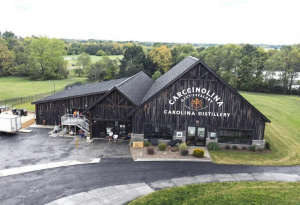
The Carolina Distillery story? It's more than just making great spirits. It's about North Carolina's history and how vision can Read more
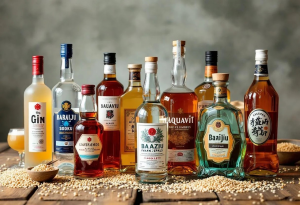
Okay, so I'm a Kentucky distiller. Bourbon's in my blood. I get it. But sticking only to whiskey? That’s like Read more