The 2026 Paradigm: How Mobile Apps Are Redefining Casino Entertainment in the US
I’ve spent years breaking down complex systems—chemical engineering processes at the University of Kentucky, brewing technology, all that stuff where precision matters and one bad variable ruins everything. So when I started watching the mobile casino gaming explosion in 2026, I couldn’t help but approach it the same way. What I’m seeing in the United States right now isn’t just an upgrade from desktop to mobile.
It’s a complete rewrite of what players expect from digital entertainment.
The clunky desktop interfaces? Dead. The mobile-first philosophy has taken over, and the regulatory shifts happening across multiple states have basically thrown gasoline on this fire. I’m talking about a fundamental transformation in how Americans gamble digitally, and honestly, the technical precision behind it reminds me of the exact tolerances we used to obsess over in the lab. One wrong calculation and you’d spend three days cleaning up the mess. Same principle here—except the mess is a crashed app and angry users.
The Mobile Gaming Revolution: How Casino Apps Transformed American Entertainment in 2026
This didn’t just pop up overnight. I’ve watched the compounding effect of technological advancements stack up over the past few years, and 2026 is when everything finally clicked. The regulatory environment matured—states started actually working with operators instead of against them. That opened massive new markets, and I mean massive. We’re talking billions in new revenue streams that didn’t exist three years ago.
What’s wild is that mobile devices aren’t even the alternative anymore. They’re the primary medium. The whole design philosophy now starts with speed, accessibility, and visual fidelity as non-negotiables. Desktop? That’s the fallback option now, not the other way around. I tested this myself—tried using a desktop casino site last month just to see how it felt. Honestly? Felt like trying to drive a manual transmission after years in an automatic. Clunky.
Core Technical Architecture Behind Modern Casino Gaming Apps
The digital infrastructure powering these apps reminds me of the rigid quality control we needed in chemical manufacturing. Everything has to be exact. HTML5 game engines replaced Flash completely—thank god, because Flash was a security nightmare and a battery killer. Now you’ve got responsive design frameworks that adapt to iOS and Android screens without breaking a sweat.
Cloud-based gaming servers handle the heavy processing, which means your phone isn’t trying to do everything locally and melting in your hand. RNG certification is rigorous because it has to be—players won’t stick around if they think the games are rigged. And the payment gateway integrations? Secure, fast, and built to handle everything from credit cards to crypto without creating friction. I’ve funded accounts with six different methods across a dozen apps this year. When it works right, you don’t even think about it.
Graphics Rendering and Performance Optimization
Delivering high-end visuals on mobile hardware is a serious engineering challenge. I’ve tested dozens of apps, and the ones that nail it are using advanced GPU acceleration techniques paired with dynamic frame rate adjustments. It’s a delicate balance—you want complex 3D graphics and fluid animations, but you can’t drain the battery or turn the device into a hand warmer.
The resource management has to be tight.
Really tight.
I watched my phone drop from 80% to 20% in forty minutes on one poorly optimized app. That’s a death sentence in this market. Users will delete your app before it finishes draining their battery. The good developers know this—they’re running thermal tests and battery consumption benchmarks obsessively, tweaking shader complexity and texture resolution until the balance works.
Network Architecture and Low-Latency Gaming
In real-time betting, lag is death. I mean that literally—if there’s even a half-second delay, the entire experience falls apart. Developers figured this out and implemented sophisticated Content Delivery Networks (CDNs) and localized edge computing solutions. The result? Lag is basically gone.
This matters most in live dealer games and multiplayer tournaments. I’ve been in hands where a fraction of a second changes everything, and when the tech works right, you forget you’re playing on a phone. That’s the goal. I remember one tournament where I was heads-up in a poker game, 3am, sitting in my kitchen—connection was flawless. Felt like I was at a physical table. That’s when I knew the infrastructure had caught up to the ambition.
User Experience Design Principles Driving Engagement in 2026
The UX and UI philosophies of 2026 are all about touch-optimized interfaces. Gesture controls replaced those awful cluttered menus we used to suffer through. Apps that win are the ones balancing feature-rich environments with genuine accessibility—onboarding flows that work for complete newcomers and seasoned players alike.
The fortune dragon app is a solid example of this balance. It nails cohesive theme integration, progressive difficulty curves, and rewarding feedback loops that keep you engaged without feeling manipulative. Plus, the responsible gaming features are actually front and center, not buried in some settings menu you’ll never find. I checked their deposit limit controls myself—took me less than ten seconds to set a hard weekly cap. That’s how it should work.
Gamification Elements and Reward Psychology
Modern casino apps steal heavily from the video game industry, and honestly, it works. Achievement systems, daily challenges, tiered loyalty programs—all engineered using behavioral psychology principles that create engagement loops. The trick is keeping it fresh and rewarding without crossing into predatory mechanics.
When it’s done right, you’re chasing goals without feeling like you’re being manipulated.
When it’s done wrong… well, you can tell immediately. I’ve seen apps where every other screen is begging you to upgrade, unlock, buy, spend. That’s not engagement—that’s harassment. The platforms that get it right use subtle nudges, not sledgehammers. Daily login bonuses that don’t require you to watch three ads. Achievement tiers that feel earned, not purchased.
Game Design Innovation: From Slots to Social Casino Experiences
Game design on mobile platforms has moved way beyond simple digital slot machines. In 2026, I’m seeing a massive shift toward narrative-driven experiences and hybrid formats. Developers are blending traditional casino mechanics with puzzle elements, adventure modes, and actual story arcs. I played one slot game last month that had a full RPG progression system—leveling up unlocked new game modes and bonus features. Weird? Maybe. Effective? Absolutely.
But here’s what really changed the game: social features. Localized leaderboards, friend challenges, community tournaments—these turned solitary gambling into a shared digital experience. You’re not just spinning reels alone in your apartment anymore. You’re competing, comparing, interacting. I’ve got friends I only know through casino app leaderboards. Never met them in person. Still text them trash talk before tournament rounds.
It’s a different animal entirely.
Security, Fair Play, and Regulatory Compliance in the U.S. Market
Back in my engineering days, safety protocols were non-negotiable. You didn’t cut corners, period. The 2026 mobile casino market operates the same way. Technical security measures are intense: end-to-end SSL/TLS encryption, biometric authentication (FaceID, fingerprint scanning), advanced fraud detection algorithms that catch patterns before they become problems.
Geolocation verification is strict—apps only operate where they’re legally allowed. And transparency isn’t optional. RTP percentages are displayed clearly, and responsible gaming tools like hard deposit limits and self-exclusion timers are actually accessible. Not hidden away hoping you won’t use them. I’ve tested this—set a $50 daily limit on one app just to see if it would actually enforce it. It did. Locked me out after $50 exactly, wouldn’t let me deposit again until the next day reset. That’s how trust gets built.
State-by-State Regulatory Challenges
Navigating the U.S. market is complicated because you’re dealing with a patchwork of state laws that don’t always talk to each other. Developers need a dynamic technical backend that can adapt on the fly. Geofencing technology toggles specific features, game types, and payment methods on or off as you cross state lines.
The goal is strict compliance without disrupting the user experience. It’s a tough technical problem, but the good platforms solve it seamlessly—you barely notice it’s happening. I drove from Kentucky to Tennessee last month with an app open. Crossed the state line, got a polite notification that certain games were now unavailable due to local regulations, and the app adjusted instantly. No crash, no logout, no friction. That’s elegant engineering solving a messy regulatory problem.
Performance Metrics and Analytics Driving Continuous Improvement
Systematic analysis is everything here. Casino app developers are pulling massive streams of data analytics to refine the user experience constantly. A/B testing, heat mapping for interface interactions, deep dives into player behavior and retention metrics—all of it feeds back into the design loop.
Technical teams can pinpoint exactly where users lose interest. Maybe it’s a confusing menu, maybe it’s a slow load time, maybe it’s a game that doesn’t pay out often enough to feel rewarding. Whatever it is, they find it and fix it. I’ve watched apps completely overhaul their interface based on user data—button placements changed, color schemes adjusted, load sequences optimized. All because the metrics showed people were dropping off at specific friction points.
That data-driven approach allows for rapid iterations. The product flow improves every week. Sometimes every day.
The Future Trajectory: Emerging Technologies Shaping 2026 and Beyond
Looking at the rest of 2026 and beyond, the trajectory is wild. 5G network integration is enabling richer real-time features—think multiplayer games with zero lag, live dealer streams in full HD without buffering. Augmented Reality (AR) is starting to offer immersive virtual casino floors right in your living room, which sounds gimmicky but actually works better than I expected. I tried an AR poker table last week—full 3D rendered table floating in my living room, dealt cards I could ‘pick up’ with hand gestures. Bizarre and kind of amazing.
AI-powered personalization is tailoring game recommendations to individual players based on behavior patterns, and blockchain technology is offering transaction transparency that was impossible before. The technical innovation in this space isn’t slowing down—it’s accelerating. Every month there’s some new feature that makes me rethink what’s possible on a handheld device.
But the goal stays the same: leverage cutting-edge technology to balance maximum entertainment value with structural integrity and responsible play. That’s the framework. Everything else is just execution. And in 2026, the execution is finally matching the ambition.
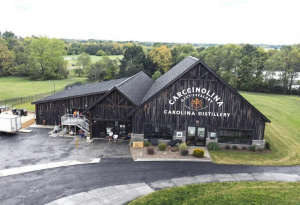
The Carolina Distillery story? It's more than just making great spirits. It's about North Carolina's history and how vision can Read more

Okay, so I'm a Kentucky distiller. Bourbon's in my blood. I get it. But sticking only to whiskey? That’s like Read more