
So, you’re into distilling? Awesome. Creating spirits is both art and science. But here’s the thing: the legal side? It’s just as important. I’ve been there. From quality control at Maker’s Mark to running my own small distillery, I’ve learned that regulations matter. Mess up, and you could face big fines, shutdowns, or even lose your license.
This guide breaks down the key legal stuff for distilleries. We’ll keep it simple and actionable. So, you can stay compliant and focus on what you love: making great spirits.
TTB Regulations: The Feds Are Watching
The Alcohol and Tobacco Tax and Trade Bureau (TTB) is the federal agency. They control the production, import, and wholesale of alcohol in the U.S. You need to know their rules. Here’s the deal:
Permits: Your Golden Ticket
Before you fire up that still, get your permits. It’s a process. Think detailed applications. Info on your business, your setup, everything. The Distilled Spirits Plant (DSP) permit is the big one.
Taxes: Pay Up, On Time
Booze is taxed. Federal excise taxes, based on proof gallon. Keep accurate records. Pay on time. Penalties? Avoid them.
Labels and Ads: Tell the Truth
TTB has rules on labeling and advertising. Alcohol content, net contents, bottler info – it all needs to be there. And keep your advertising claims truthful. No exaggerations.
Records: Keep Everything
Distilleries must track everything: production, storage, distribution. Keep detailed records. TTB can inspect them anytime.
Inspections: Be Ready
Expect TTB inspections. They can be announced or not. Be prepared. Always.
TTB rules feel overwhelming? Start with their website. Read their publications. And think about hiring a lawyer or consultant who knows alcohol law.

State Laws: The Wild West
Federal rules aren’t the whole story. State laws matter too. And they vary – a lot. Here’s what to expect:
Licensing: Double the Fun
Most states want their own license, on top of the federal permit. Requirements? They vary. Background checks, inspections, proof you can pay the bills.
Distribution: Who Sells Your Booze?
States regulate how alcohol gets distributed. “Control states” mean the government controls wholesale. “Three-tier” systems keep manufacturers, wholesalers, and retailers separate.
Direct Sales: Can You Sell at Your Distillery?
Distillery tours, tastings, direct-to-consumer sales? Rules vary wildly. Some states allow it. Some don’t. Some have restrictions.
Zoning: Where Can You Set Up Shop?
Local zoning laws matter. Where can you locate your distillery? How can you operate? Check with local authorities. Always.
State laws are complex and different. Do your homework. Get legal advice for your state. Don’t assume anything.
Compliance: More Than Just Paperwork
Compliance isn’t just permits and taxes. It’s about how you run your distillery. You need internal controls. Here’s how:
SOPs: Write It Down
Standard Operating Procedures (SOPs) for everything. Fermentation, distillation, bottling, labeling. Review them. Update them.
Training: Teach Your Team
Train all employees on regulations and procedures. Document the training. Repeat it often.
Audits: Check Yourself
Do regular internal audits. Find problems before the TTB does. Use qualified people who know the rules.
Record Retention: Don’t Throw Anything Away
Keep all required records. Store them safely. Make them easy to find.
Stay Informed: The Rules Change
The legal world of distilling changes constantly. Subscribe to newsletters. Go to conferences. Talk to legal experts.
Get a Lawyer
This article is a guide. Not legal advice. Hire a lawyer who specializes in alcohol law. It’s an investment. A good lawyer can:
- Help with permits
- Ensure compliance
- Draft contracts
- Represent you in disputes
- Advise you on best practices
Find a lawyer with a good reputation in the alcohol industry. Someone who understands your challenges.
Distilling Success: It’s About Compliance
The legal side of distilling can seem scary. But it doesn’t have to stop you. Understand the rules. Follow procedures. Get legal help. You can navigate the legal maze. And focus on making great spirits. Compliance isn’t just about avoiding penalties. It’s about building a sustainable business. A business that lasts. Cheers to that!
FAQ: Common Legal Questions for Distillers
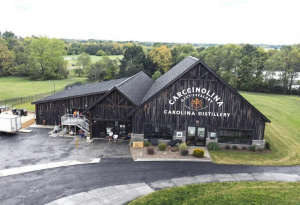
The Carolina Distillery story? It's more than just making great spirits. It's about North Carolina's history and how vision can Read more
Okay, so I'm a Kentucky distiller. Bourbon's in my blood. I get it. But sticking only to whiskey? That’s like Read more